Chain Link Fence Dog Kennel Designs
Release time:2026-02-08 Click:7
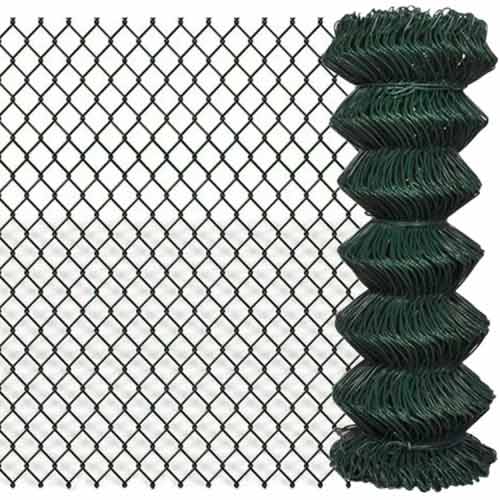
For dog owners who need a reliable, heavy-duty enclosure, the chain link fence dog kennel is the industry standard for safety and visibility. Unlike solid wood or vinyl panels, chain link allows air and light to circulate freely, preventing the kennel from becoming a hot, stuffy box in the summer. The galvanized steel wires are woven in a diamond pattern that provides excellent tensile strength, making it nearly impossible for a dog to break through. For containment, the height is usually at least 6 feet to prevent jumping, and the bottom is often buried or weighted to prevent digging. This open design also allows owners to keep an eye on their pets from a distance, ensuring they are safe and not exhibiting destructive behavior.
The structural integrity of a chain link fence dog kennel depends heavily on the tension of the mesh and the strength of the frame. The fabric is stretched over a framework of steel posts and top rails, which must be anchored securely into the ground. Because chain link acts like a sail in high winds, the posts need to be set in concrete footings that extend below the frost line. The mesh is attached to the frame using tension wires and "pig rings" (wire clips), which must be tightened to remove any slack. A loose kennel is a dangerous kennel; if the mesh sags, a dog can push through or get caught in the gaps. Professional installers use come-alongs or ratchet strainers to ensure the fabric is pulled taut enough to withstand significant pressure.
Security features are a primary consideration in a chain link fence dog kennel. The diamond pattern is small enough (usually 2 inches) to prevent paws or snouts from getting stuck, but large enough to see through. For escape artists, the top rail can be curved inward at a 45-degree angle to prevent climbing. Some kennels include a "privacy slat" system, where plastic or metal slats are woven into the chain link to block the view from the outside. This reduces barking triggered by visual stimuli and provides a sense of security for the dog. Gates are the most critical component; they must be self-latching and equipped with a padlock hasp to prevent the dog from nudging the latch open. Double-gate entries (airlock style) are recommended for large or aggressive breeds to prevent bolting.
Durability is a hallmark of the chain link fence dog kennel. The galvanized steel resists rust and corrosion, even in coastal areas with salt spray. If the zinc coating is scratched, it still offers cathodic protection to the underlying steel. For added longevity, some owners opt for vinyl-coated chain link, which adds a layer of color and prevents the metal from scratching the dog's coat. The lack of moving parts means there is very little to break; the mesh doesn't rot like wood, and it doesn't crack like plastic. Maintenance is minimal—an occasional wash to remove mud and a check of the tension wires to ensure they haven't loosened over time.
Finally, the versatility of a chain link fence dog kennel makes it suitable for more than just a single dog. It can be configured as a large run for multiple pets, a breeding facility, or a temporary holding area at a shelter. The modular nature of chain link allows for easy expansion; additional panels can be bolted to the existing frame to enlarge the space as needed. Because it is relatively inexpensive compared to custom wood construction, it is an accessible option for rescue organizations and breeders. By providing a safe, ventilated, and visible environment, a chain link kennel ensures that dogs remain healthy and secure, giving their owners peace of mind whether they are home or away.
Previous article:Low-Maintenance Substation Chain Link Fence for Utilities
Next article:Enhancing Privacy and Aesthetics with a Versatile Fence Screen
Hot products
Mobile: +86 13292822131
Email:metalproducts2023@163.com
Email:634049339@qq.com