Product details description
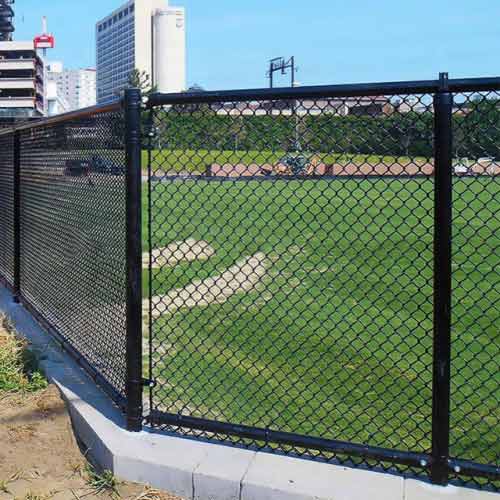
Chain link fencing is a utilitarian solution, but its effectiveness depends
entirely on two specifications: height (how tall it is) and gauge (how thick the
wire is). Choosing the wrong combination can lead to a sagging fence or a
security breach.
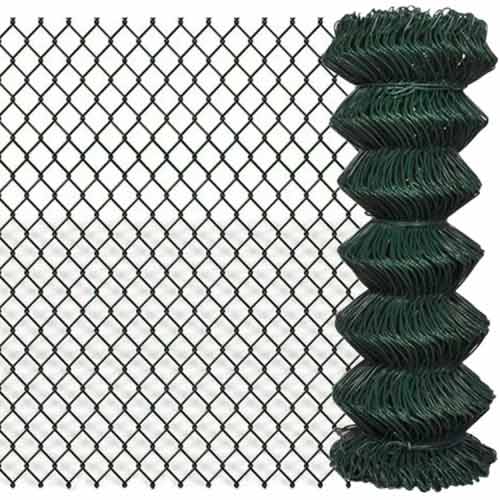
Understanding Gauge
The gauge refers to the thickness of the steel wire. The lower the gauge
number, the thicker the wire.
9-11 Gauge: Heavy-duty, used for industrial sites, animal containment
(hogs/cattle), and high-security areas. It is rigid and hard to cut.
11.5 Gauge: The "standard" for residential backyards. It offers a balance
of cost and durability.
12-14 Gauge: Lighter duty, often used for temporary fencing, dog runs, or
garden boundaries. It is more flexible and prone to bending under heavy
impact.
Choosing the Height
4 Feet: Ideal for garden borders or keeping small pets in. It is not a
barrier for humans or large dogs.
6 Feet: The standard for residential backyards. It provides privacy (when
slats are added) and keeps most dogs and children inside.
8-10 Feet: Required for commercial properties, tennis courts, and areas
needing to contain large animals or prevent climbing.
The Correlation
If you choose a tall fence (8 feet), you must use a lower gauge (thicker
wire, like 9 or 11) to prevent the fence from acting like a sail and toppling
over in the wind. For a short 4-foot garden fence, a higher gauge (thinner wire,
like 14) is acceptable.
Previous article:
Chain Link Fence Gates - Secure & Convenient Access Points
Next article:
The Role of Chain Link Fences in Wildlife Conservation Areas