Product details description
Choosing between a chain link fence and a wood fence is a critical decision
for homeowners, as both options offer distinct advantages and drawbacks that
align with different aesthetic preferences and functional needs. The primary
distinction lies in their visual appeal and core purposes—chain link fences are
celebrated for their durability and low maintenance, while wood fences are
prized for their natural charm and versatility. Understanding how each fence
type complements your property’s style and fulfills your practical requirements
is key to making an informed choice that enhances both the value and usability
of your outdoor space.
Aesthetically, wood fences bring a timeless, warm charm that integrates
seamlessly with various property styles, from traditional cottages to rustic
ranches. Available in styles like picket, privacy, or split rail, wood fences
can be stained, painted, or left natural to match your home’s exterior and
landscape. This customization allows for a cohesive, inviting look that softens
the property’s boundaries. In contrast, chain link fences have a more
industrial, utilitarian appearance, though modern variations with colored vinyl
slats or powder coatings can soften their look. They are often chosen for
properties where functionality takes precedence over decorative appeal, such as
commercial lots or homes prioritizing security over curb appeal.
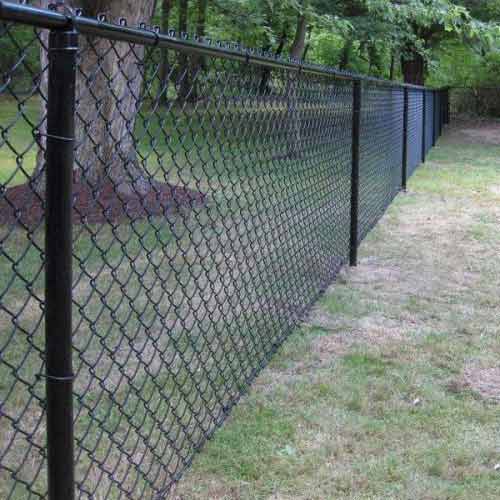
Functionally, chain link fences excel in durability, security, and low
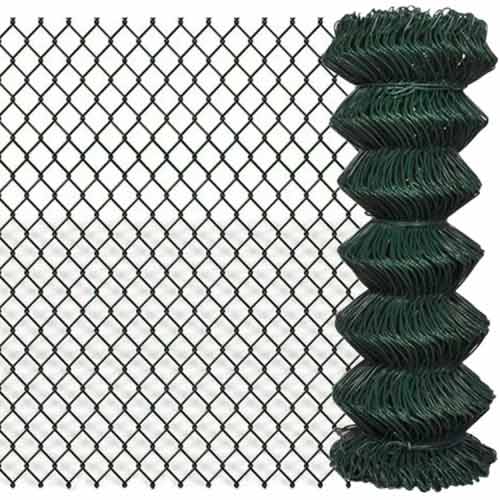
maintenance. Made from galvanized or vinyl-coated steel, they resist rot, insect
damage, and weathering, requiring only occasional cleaning to maintain their
integrity. Their open design provides visibility, making them ideal for
monitoring pets, livestock, or property boundaries. Chain link fences also offer
strong security, as they are difficult to climb or breach, and they can be
reinforced with barbed wire for high-security needs. However, they provide
minimal privacy, which is a significant drawback for homeowners seeking
seclusion in their yards.
Wood fences, while aesthetically versatile, require more maintenance to
preserve their functionality. Without regular staining or sealing, wood is prone
to rot, warping, and insect infestations, especially in damp climates. Their
solid or closely spaced slats provide excellent privacy, making them a top
choice for residential yards where seclusion is desired. Wood fences also offer
moderate security, though they are more vulnerable to damage from severe weather
or intentional breaches compared to chain link. With proper maintenance, a
high-quality wood fence can last 15-20 years, while a chain link fence can
endure 20-30 years or more with minimal upkeep.
Ultimately, the choice between chain link and wood fences hinges on your
priorities. Opt for a chain link fence if you value durability, low maintenance,
security, and visibility over decorative appeal and privacy. Choose a wood fence
if you prioritize natural aesthetics, customization, and privacy, and are
willing to invest time and resources into regular maintenance. By evaluating
your property’s style, climate, and functional needs—whether for privacy,
security, pet containment, or curb appeal—you can select the fence type that
best fits your home and lifestyle.
Previous article:
Commercial Grade Chain Link Fence - Robust Business Property Protection
Next article:
Galvanized Chain Link Fencing: Hot-Dip vs Electro-Galvanizing Protection Systems